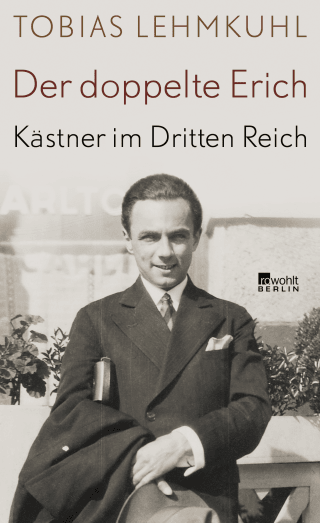
One man, many faces: Erich Kästner's life and survival in the Third Reich.
Berlin, in the early 1930s. Erich Kästner is at the height of his success: Pünktchen und Anton and Das fliegende Klassenzimmer are international successes. In 1931, Emil und die Detektive is adapted into a film (screenplay by Billy Wilder). Then the turning point: as the Nazis seize power, Kästner chooses to remain in Germany. He, who shortly before had written a satirical poem about Hitler, has to witness the burning of his books; soon after that he faces a publishing ban. However, he manages to get by, even thriving. He writes under pseudonyms, takes on commissioned work, including for UFA, which has long been politically instrumentalized by Goebbels. All of this raises questions: How much did Kästner adapt to the Third Reich, and when did he declare his stance? How delicate was the balancing act he performed?
Tobias Lehmkuhl delves into this chapter of the acclaimed German author's life, revealing Kästner's city wanderings, his literary masquerade, and offering a fresh perspective on the moralist, poet, and creator of beloved children's books and novels.