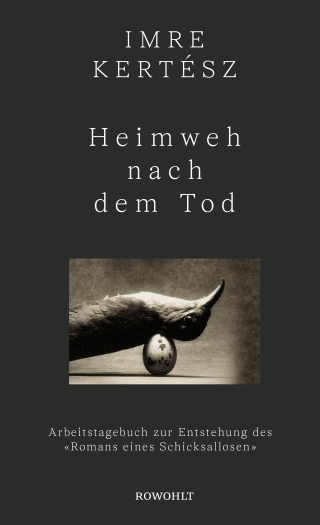
YEARNING FOR DEATH
- Probably the most important publication from Imre Kertész’s estate.
- How one of the most significant novels of world literature came about: “Yearning for death – a term like this enabled me to gather together the feelings that inspired me to write this book.”
- Published and translated into German by Ingrid Krüger and Pál Kelemen. With a postscript by Lothar Müller.
translated by: Pál KelemenIngrid Krüger
Contact Foreign Rights Rights sold to
Spain - Acantilado
- Publisher: Rowohlt Hardcover
- Translated by: Pál KelemenIngrid Krüger
- Release: 22.03.2022
- ISBN: 978-3-498-00223-7
- 144 Pages
Awards
- 2022: empfohlen - ORF-Bestenliste
- 2022: empfohlen - ORF-Bestenliste
- 2022: empfohlen - SWR Bestenliste
- 2022: empfohlen - ORF-Bestenliste
Our covers may only be used free of charge for press, event and promotional purposes in connection with the title or author. In particular, it is not permitted to use the covers in connection with other products, goods or services. The covers may only be reproduced faithfully in their original, unaltered form and must not be edited.