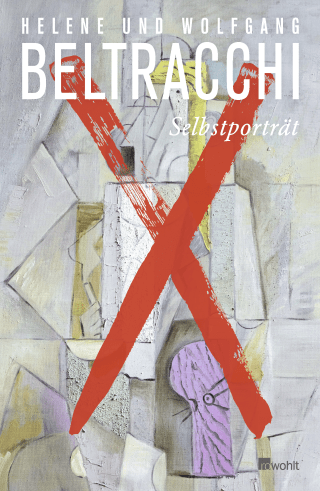
Wolfgang Beltracchi’s story is one of personal development: born and raised in a rural area in Westphalia near the Dutch border, he embarked on a trek along the hippy trail through Paris, Brussels, Amsterdam, Munich, Berlin, Spain and Morocco before beginning a withdrawn, even secretive life near Montpellier in the south of France. The turning point in his biography was sudden and unexpected, occurring over the course of only a few days. Meeting his future wife Helene caused him to redefine his attitude towards life, his goals and his opinions.
He had been a painter before meeting Helene and carried on painting, his "works" showing the influence of a huge range of artists. Unlike other forgers, he could imitate not just three or four painters, but a vast number. His paintings still hang in museums today and are referenced in catalogues and art books, and are viewable in collections. This fact reinvigorates debate about what is "original" and "fake", a question now imbued with a fresh sense of urgency. The two books by Helene and Wolfgang Beltracchi are a further step toward this sense of transparency.
The books reveal a global trade in paintings in which fraud is more systematic than previously known; they will redefine the role of the authenticating expert that certifies works as genuine. They will also signal the death-knell of the quasi-metaphysical and hubristic idea of ‘the unerring eye.’ Together Helene and Wolfgang Beltracchi have written a startling book that not only tells the story of the artist himself and analyses what made his career possible. It also relates how a combination of playful ingenuity, specialist knowledge, hedonism, deceit and social and aesthetic fictions formed a single, all-encompassing work in which the individual paintings are only moments in a wider depiction of greed and how the art market operates.